It’s already clear to all of us: the world of architectural visualizations is on the verge of a fundamental shift in the coming decade. As someone who has been working in this field for nearly 15 years, I can see significant changes already taking place on the ground, transforming the way we work. But we’re only at the beginning.
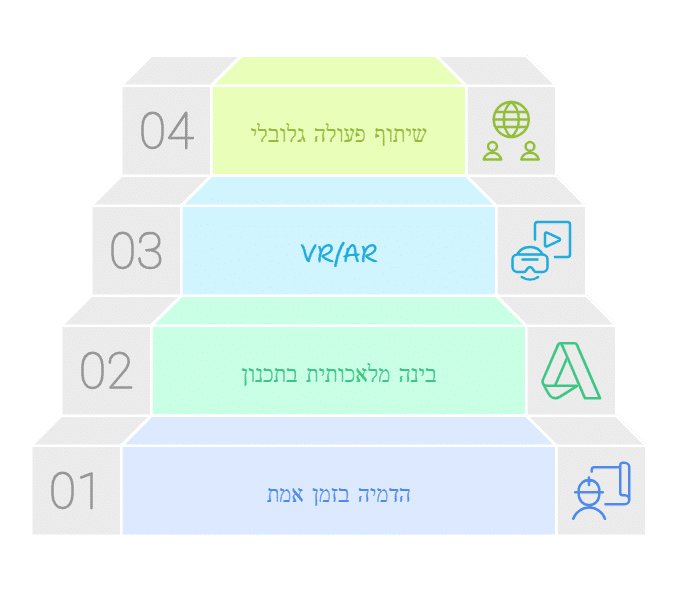
According to professional estimates, by 2035, our profession will undergo a comprehensive transformation driven by the convergence of artificial intelligence, experiential technologies (VR and AR), and real-time collaboration tools.
Real-Time Technologies
The traditional boundaries between design, visualization, and construction documentation are already beginning to blur — a trend that will “intensify significantly by 2035.” Real-time visualization technologies, which once required specialized hardware and expertise, are becoming more accessible and user-friendly, enabling architects to create sophisticated visual representations in significantly less time than before.
Already today, many professionals are using software such as Twinmotion, Lumion, Enscape, and Chaos Vantage.
These tools make it possible to render videos in very short timeframes — something that would have taken many hours (and sometimes days) with traditional tools.
While the output quality still doesn’t reach the highest level, in many cases it’s more than sufficient.
Artificial Intelligence: The Real Revolution
Artificial intelligence is expected to be “the most transformative force in the world of architectural visualizations in the coming decade.” Current applications of AI in generative design represent only the initial stage of a far more comprehensive revolution. By 2035 (and quite possibly much sooner), AI systems will evolve from simple tools into active partners in the design and visualization process.
We already use AI tools on an almost daily basis:
- Magnific AI helps us upscale visualizations and sharpen details within them.
- We turn still images into videos using tools like Kling, Minimax, and Runway Gen-3.
- We add backgrounds and various elements to visualizations using Photoshop’s Generative Fill tool.
These are just small examples of what the technology already enables today.
In the future, these advanced systems will analyze massive architectural databases to suggest context-appropriate design variations while instantly generating photorealistic visualizations that dynamically respond to design changes. AI’s ability to understand human preferences, design goals, and aesthetic considerations will improve dramatically, leading to visualizations that resonate more deeply with human sensibilities and expectations.
Experiential Technologies as a Communication Standard
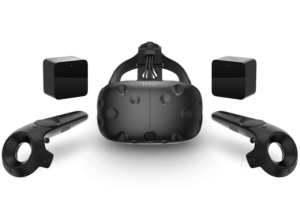
Virtual reality (VR) and augmented reality (AR) technologies, which are already gaining popularity in the construction and design fields, will likely become standard communication tools in the coming years. The dramatic improvement in the accessibility, cost, and sophistication of these technologies will change how projects are presented to clients.
Instead of showing images, or even videos — “clients will be able to walk through the building and feel as if they are truly there.”
This technology already exists today, of course, but it still suffers from issues of discomfort and expensive hardware.
As the hardware becomes lighter and more intuitive, and the software becomes more sophisticated, immersive experiences will become a routine component of every project presentation.
Cloud-Based Collaboration and Real-Time Feedback
Cloud computing and pixel streaming technologies are revolutionizing the way architectural visualizations are shared and reviewed. In the coming years, pixel streaming will become the standard for sharing high-quality content remotely, allowing all project stakeholders to participate in VR experiences regardless of their local hardware limitations.
The integration of these technologies with 5G connectivity and Internet of Things (IoT) devices will further transform the nature of collaboration by enabling real-time interactions across geographic boundaries. By 2035, visualization specialists will routinely work in global teams, with clients and colleagues contributing to design reviews from multiple locations simultaneously.
The Emergence of New Roles
The architectural visualization profession will undergo a fundamental redefinition in the coming decade, as traditional job descriptions give way to more fluid and multifaceted roles.
By 2035, the field will see the emergence of entirely new job titles and specializations that don’t exist today:
Visualization experience designers who specialize in creating emotional virtual experiences that communicate not only the physical characteristics of a design but also its other qualities. These professionals will combine expertise in psychology, narrative design, and technical visualization to create immersive experiences that evoke specific emotional responses.
Digital twin specialists who focus on creating and maintaining comprehensive virtual replicas of built environments synchronized with real-world data from IoT sensors. These professionals will bridge the gap between visualization and building performance analysis.
AI visualization directors who set the parameters and artistic direction for AI-generated visualizations. Their role will be more similar to creative directors, focusing on high-level aesthetic decisions while the AI system handles the technical execution.
Business Model Evolution and Industry Structure
The coming decade will witness two seemingly contradictory trends: the democratization of basic visualization tools and the growing value of specialized visualization expertise. AI-powered tools will make it easier for architects and designers without specialized visualization training to produce good visualizations and renderings.
This democratization may initially seem threatening to the visualization job market, but in practice it will elevate the role of visualization specialists to focus on more sophisticated aspects of visual communication.
Business models for architectural visualization services will diversify significantly by 2035. Traditional fee-for-service visualization work will continue but will be supplemented by new revenue streams based on emerging technologies and service models.
Subscription-based visualization platforms, real-time collaboration services, and specialized visualization consulting will emerge as significant market segments. New revenue streams will emerge around the creation and management of digital twins — comprehensive virtual replicas of built environments that serve not only visualization purposes but also operational and analytical functions.
The Journey Toward Architectural Visualizations of 2035
The field of architectural visualizations stands on the threshold of a decade of profound transformation, driven by the convergence of artificial intelligence, VR/AR technologies, and cloud-based collaboration tools. By 2035, the profession will look very different from its current state, with new job roles, business models, and skill requirements emerging in response to technological and market forces.
Will these changes make visualization specialists obsolete?
Not necessarily. But they will undoubtedly require them to learn new skills.
The most successful professionals in this evolving landscape will be those who are open to change and growth, committed to continuous learning, and developing expertise that combines technical skill with strategic insight and creative vision. They won’t just create images of buildings but will shape comprehensive visual narratives that engage clients and investors emotionally and intellectually, enabling better design decisions and more successful built outcomes.
As professionals in the field, now is the time to start preparing for these changes, to invest in developing new skills, and to view emerging technologies as opportunities to expand our professional capabilities. The future of architectural visualizations isn’t just about showing what buildings will look like — it’s about enabling people to experience how buildings will feel, function, and perform before they are built, a capability that will become increasingly valuable in a world where the built environment faces unprecedented challenges and opportunities.